

News and background stories on technology
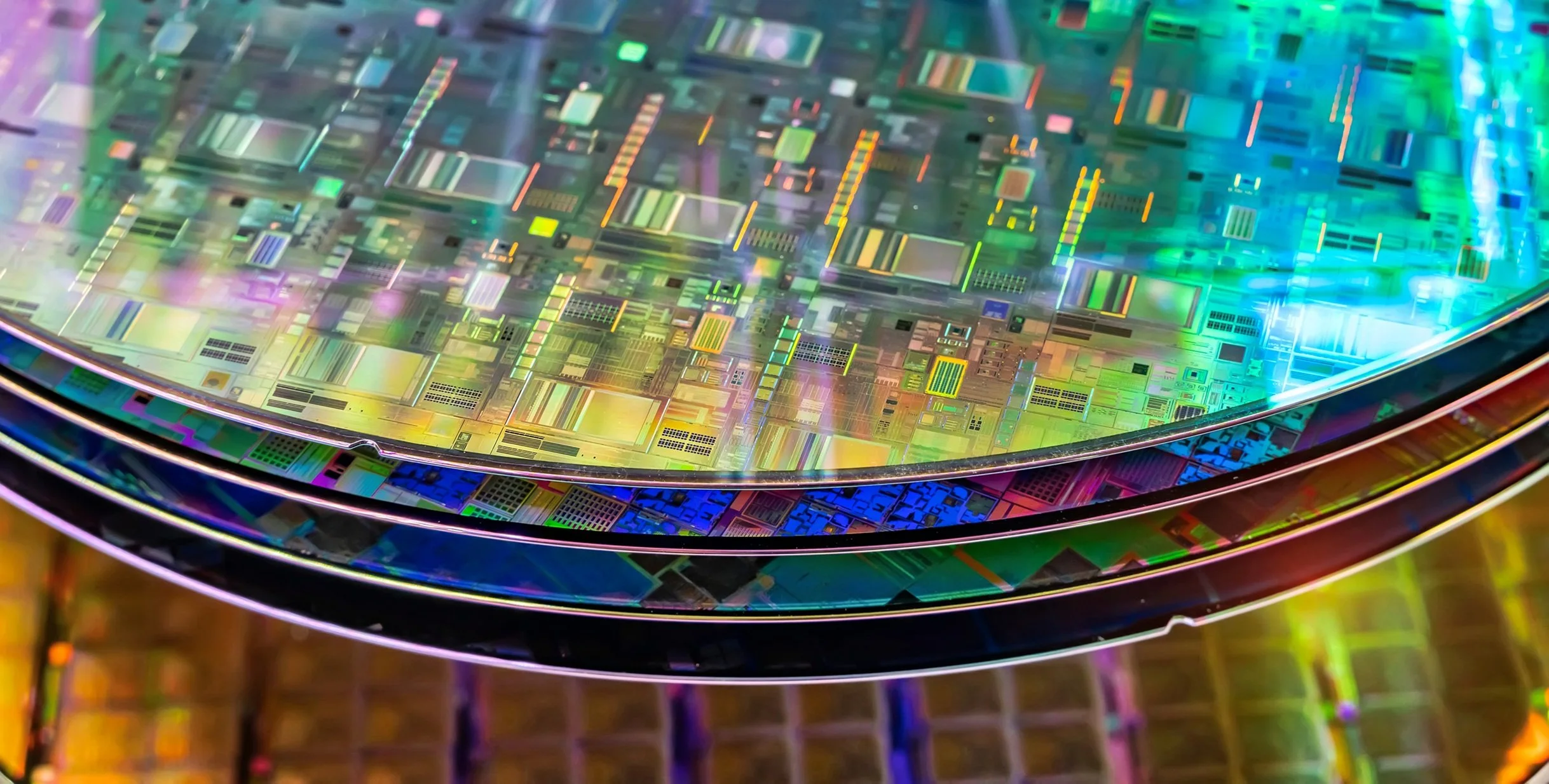
AI is becoming part of everyday life, but its growing energy demands are putting increasing strain on the hardware behind it, which is why researchers at the University of Cambridge are exploring a new brain-inspired device that could help future AI systems use far less electricity.
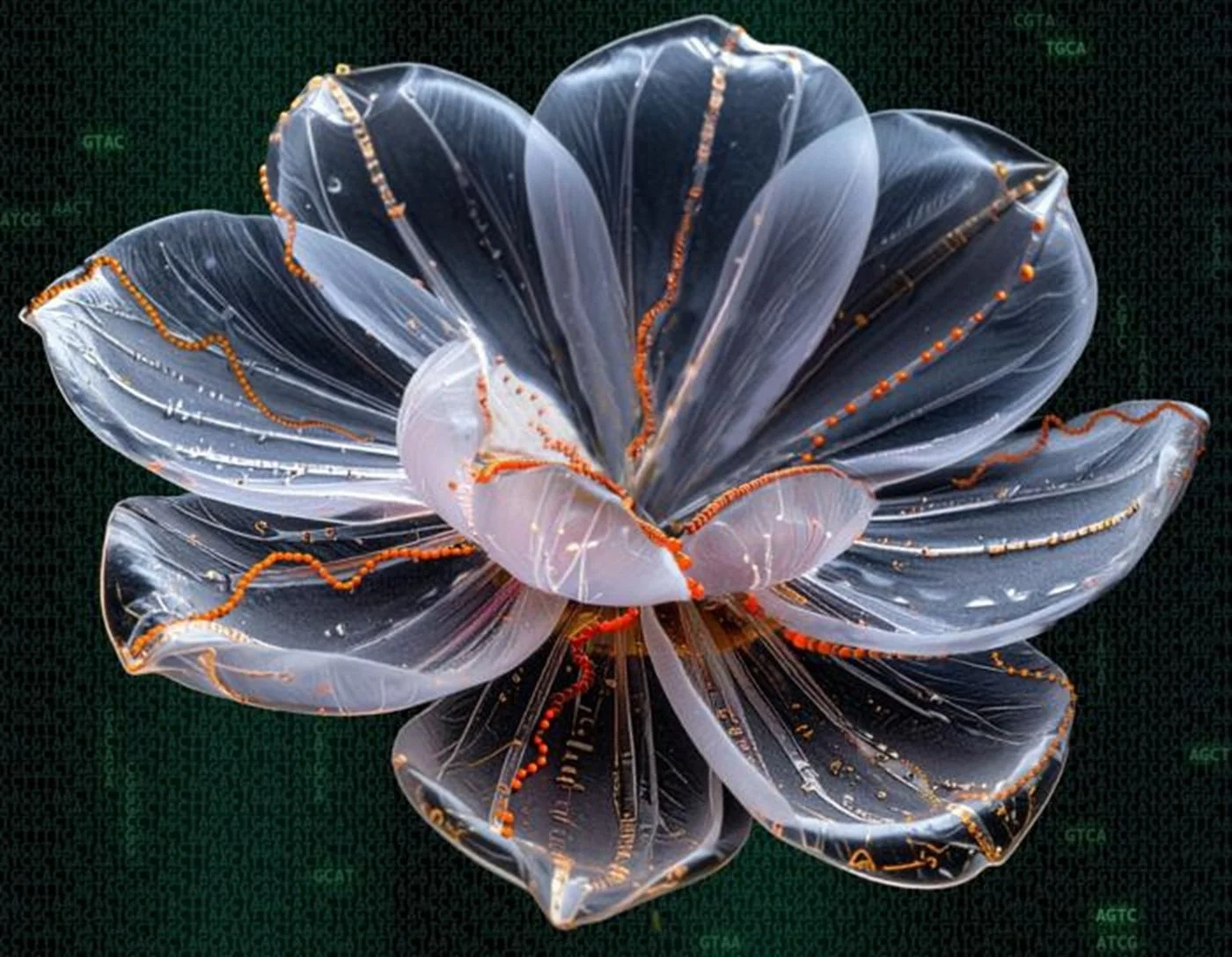
Imagine a field of microscopic flowers that can fold, unfurl, and even kick off a chemical reaction without a gardener in sight. Researchers at the University of North Carolina have at Chapel Hill built just such shape-shifting “soft robots,” and the most interesting part isn’t what they are, but what they might be able to do.

Researchers have developed advanced materials capable of naturally cooling buildings, significantly reducing energy consumption and lowering utility bills.

Researchers have developed a 3D-printed sponge-like material that uses sunlight to turn seawater into drinkable water, no electricity required. This new aerogel could make clean water cheaper and more accessible for communities worldwide.
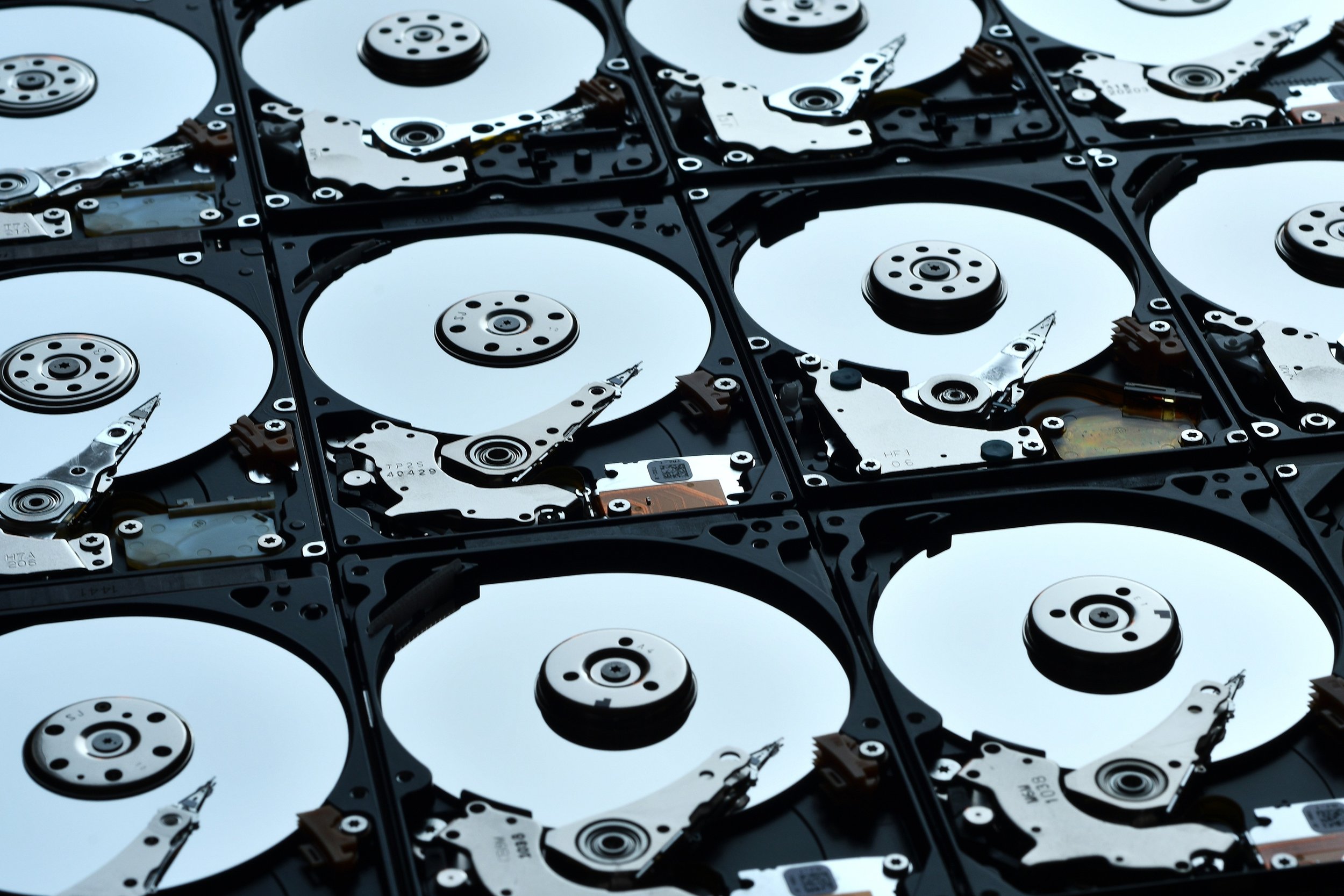
Scientists at the University of Manchester and The Australian National University have created a new molecule that may soon enable ultra-compact hard drives about the size of a postage stamp by allowing data to be stored at 100 times the density of current technologies.
The future may not be defined by silicon chips but rather by an intriguing new concept where laboratory-grown "brains" function as the biological hardware of cutting-edge computers.

Austrian researchers developed an oxygen-ion battery with regenerative capabilities, offering a long service life and eco-friendly alternative for large-scale energy storage systems.
What if we would like to determine whether we are actually living in a simulation or not?

How far along are we in the journey toward sustainable aviation?

Scientists at the Austrian Johannes Kepler University in Linz have successfully developed a biodegradable substrate using mushroom skin
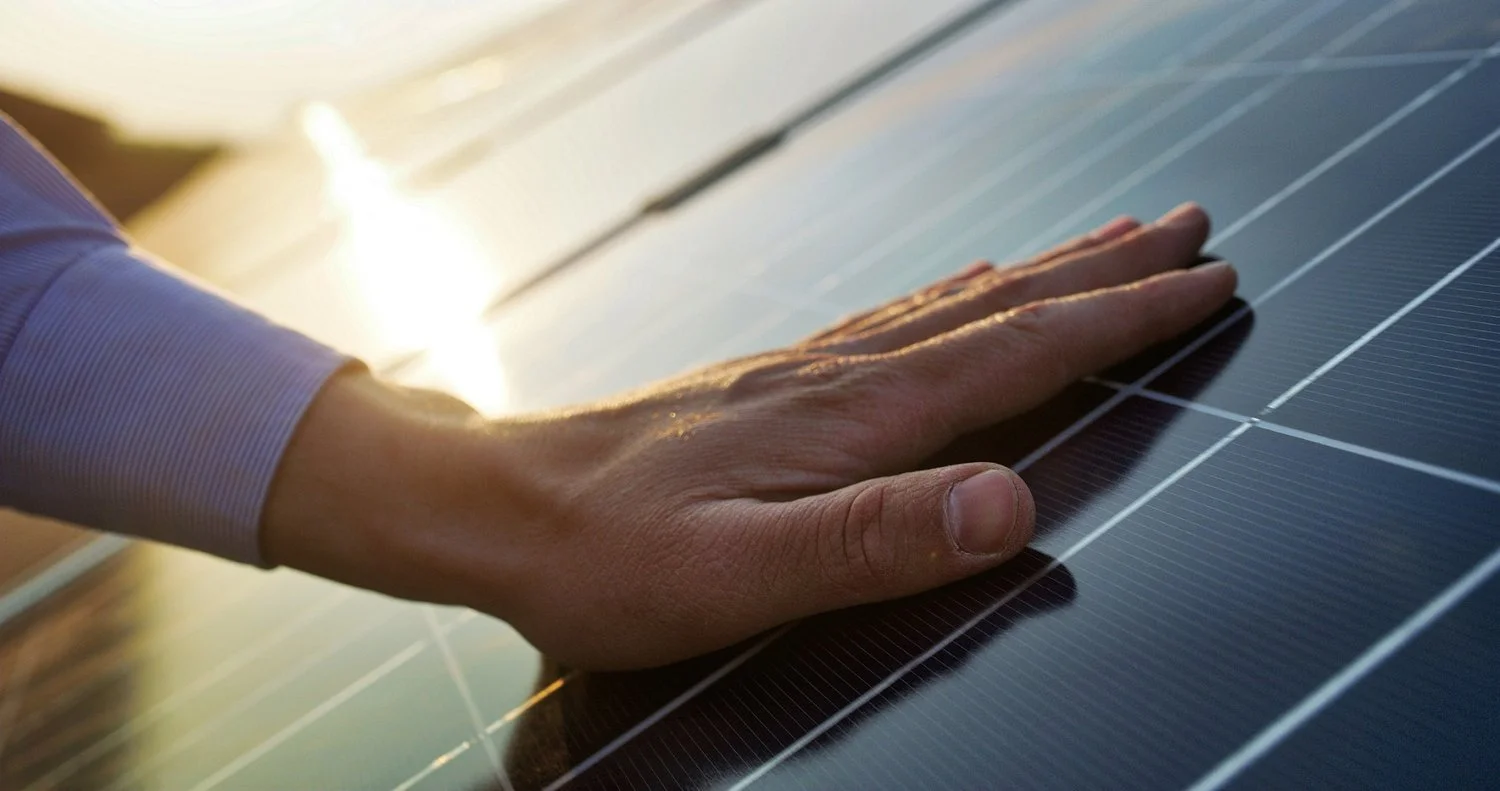
Scientists have taken an important step toward the industrial production of hydrogen panels.
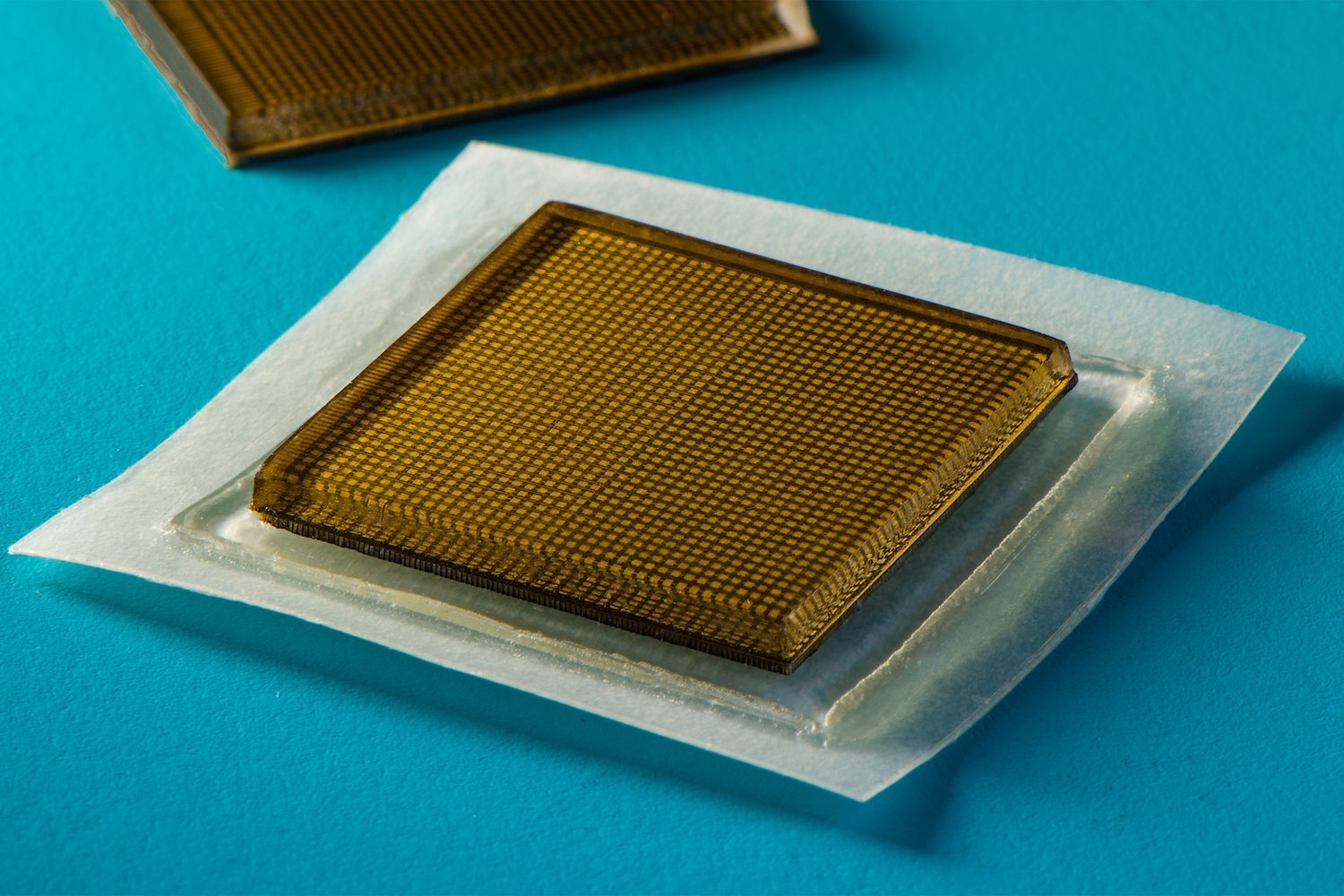
Researchers from the Massachusetts Institute of Technology (MIT) developed a noninvasive patch that can generate excellent, real-time images of organs for a period of two days.

Scientists are looking into a technology that could potentially charge an EV in mere seconds.

Researchers have developed a system that can convert thoughts in the brain into speech. A hopeful development for people suffering from severe speech impairments
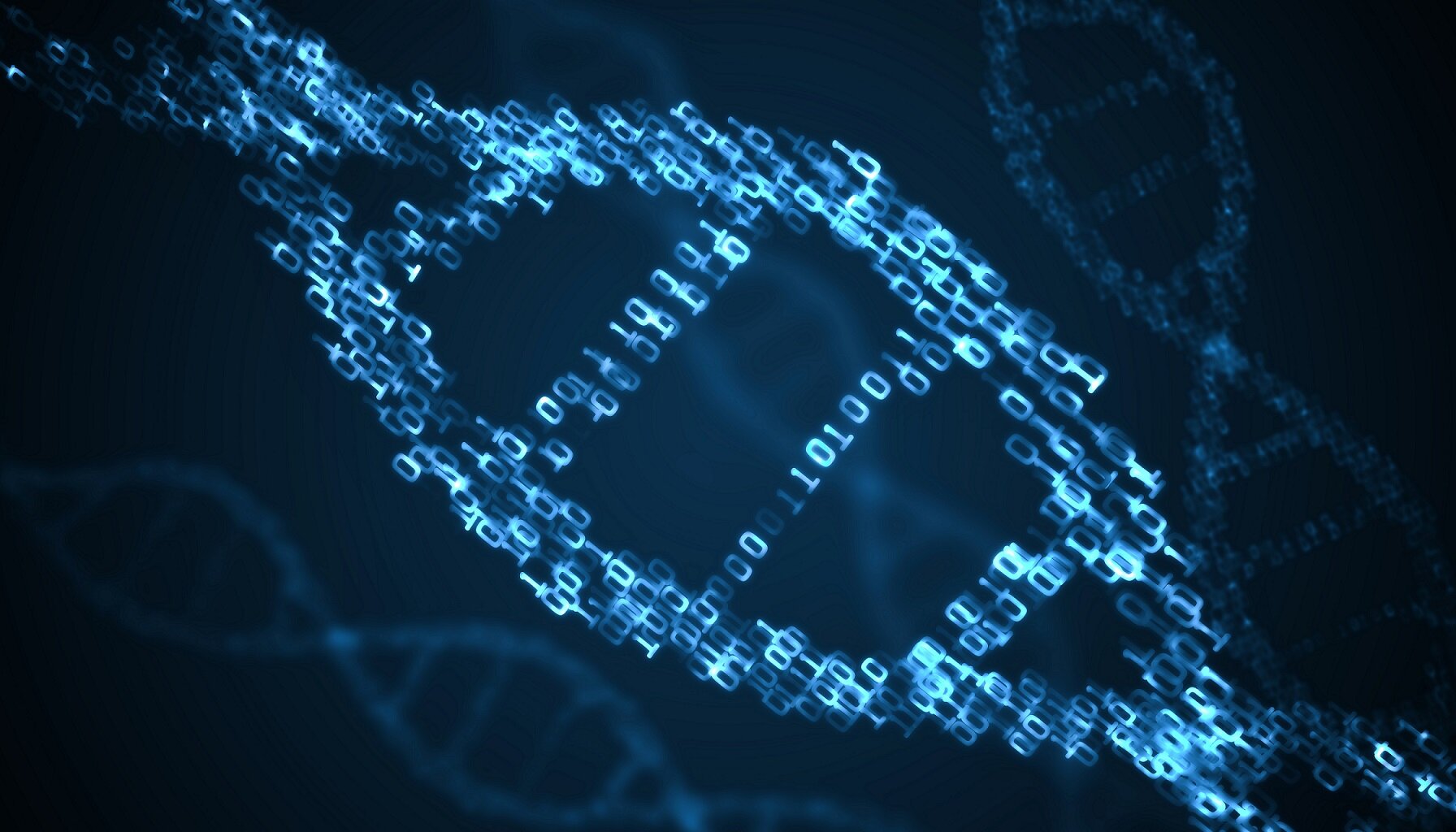
DNA is over a million times more effective in saving information than our best current methods of data storage. Sadly, slow read and write speeds make it unsuitable for real-world applications. That is why scientists are shooting for a breakthrough proposing a faster technique for encoding data to synthesized strands of DNA
AI is becoming part of everyday life, but its growing energy demands are putting increasing strain on the hardware behind it, which is why researchers at the University of Cambridge are exploring a new brain-inspired device that could help future AI systems use far less electricity.
Imagine a field of microscopic flowers that can fold, unfurl, and even kick off a chemical reaction without a gardener in sight. Researchers at the University of North Carolina have at Chapel Hill built just such shape-shifting “soft robots,” and the most interesting part isn’t what they are, but what they might be able to do.
Researchers have developed advanced materials capable of naturally cooling buildings, significantly reducing energy consumption and lowering utility bills.
Researchers have developed a 3D-printed sponge-like material that uses sunlight to turn seawater into drinkable water, no electricity required. This new aerogel could make clean water cheaper and more accessible for communities worldwide.
Scientists at the University of Manchester and The Australian National University have created a new molecule that may soon enable ultra-compact hard drives about the size of a postage stamp by allowing data to be stored at 100 times the density of current technologies.

Researchers at the Delft University of Technology in the Netherlands discovered that rechargeable lithium-ion batteries can last much longer by adjusting their composition in a clever way.

Researchers explored whether violins crafted from carbon fibers can truly rival the acoustic excellence of their traditional wooden counterparts.

University of Liverpool researchers unveil a groundbreaking non-toxic, earth-abundant material poised to revolutionize rechargeable battery technology, promising safer, more efficient energy storage solutions
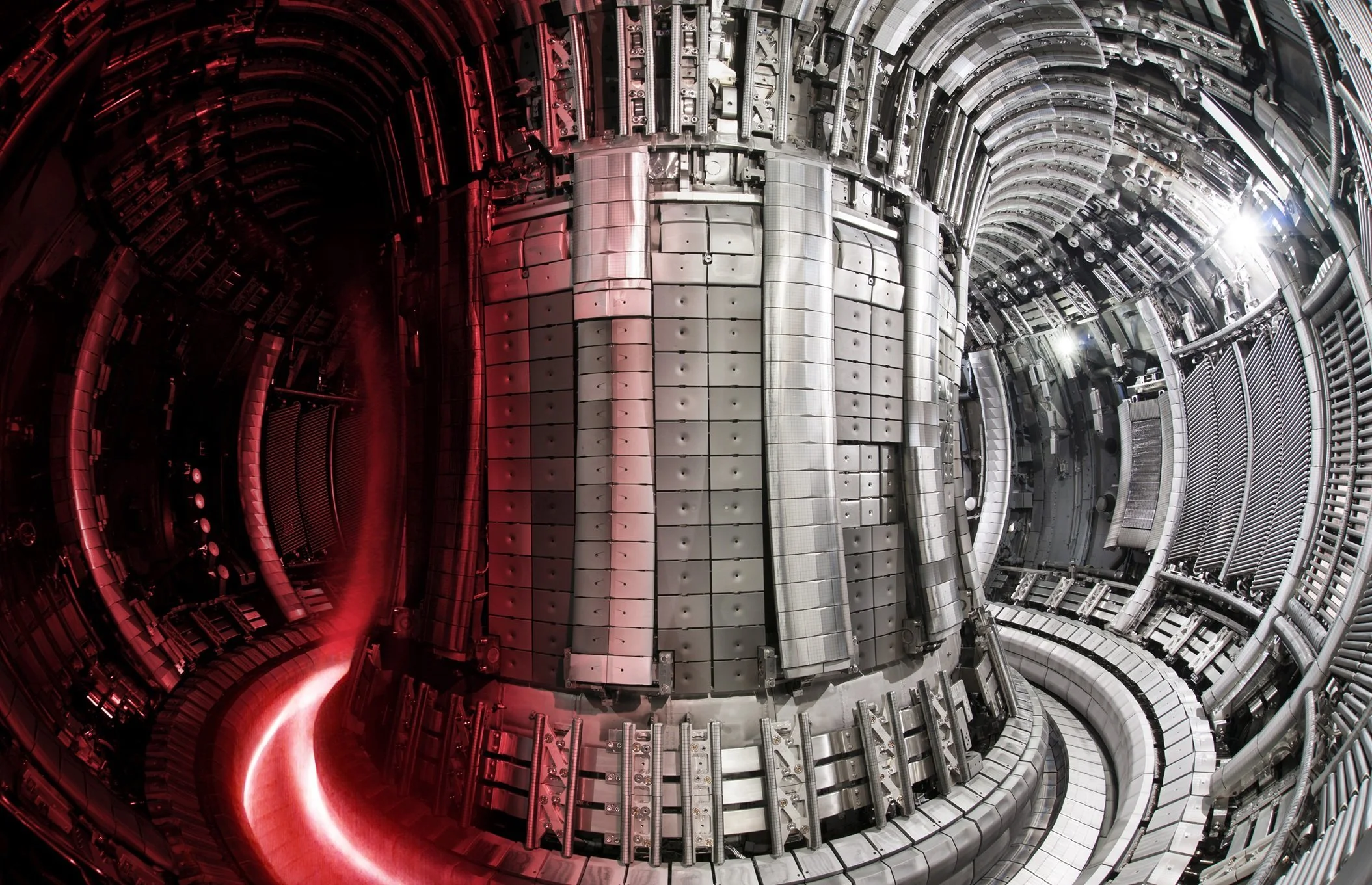
In an amazing leap forward for science, European researchers have smashed their previous record in creating fusion energy.

Among the most frequently encountered types of batteries in everyday life are lithium and alkaline varieties. But what exactly sets these two apart?

IBEC researchers have created nanorobots that reduce bladder tumors in mice by 90%. Published in Nature Nanotechnology, this innovation promises a more effective, less invasive treatment for bladder cancer.

Cambridge scientists created an innovative floating device that harnesses solar power to convert contaminated water and seawater into clean hydrogen fuel and purified water.

From roses to rain, our sense of smell connects us intimately to the world. But what if machines could not only mimic but surpass our olfactory abilities?

Researchers have developed a brain-computer interface that allows a paralyzed woman to communicate through an avatar, converting brain signals into speech and facial expressions, with aspirations to create a wireless version for greater user independence.

Researchers have developed an all-season thermal cloak for electric vehicles that passively lowers vehicle temperature by 8°C during hot days and increases it by 6.8°C during cool nights, potentially improving battery lifespan significantly.

Imagine a world where metals self-heal without human intervention, where bridges, planes, and engines maintain their structural integrity over time. Sounds like science fiction, right?
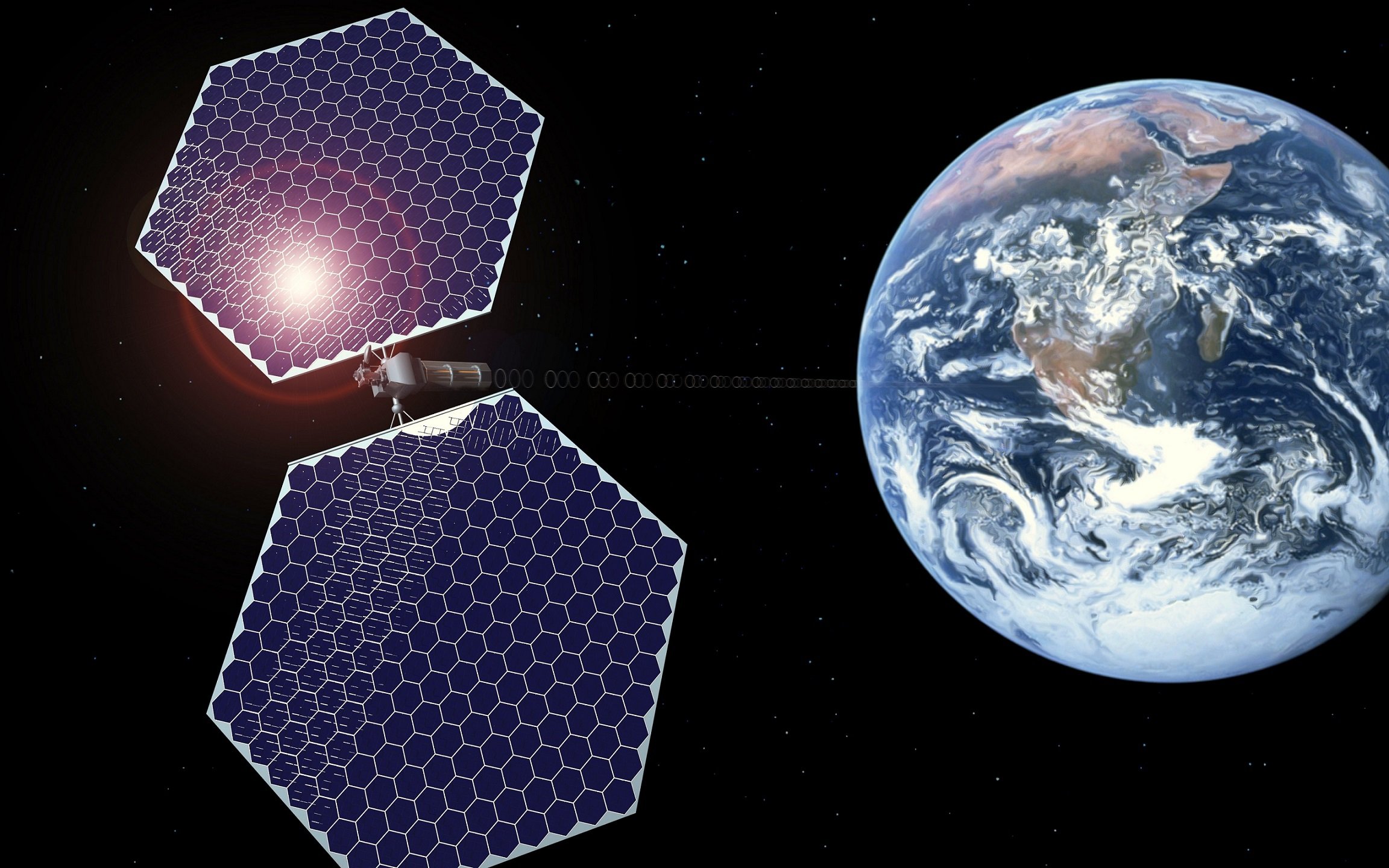
Solar Power Satellites offer a tantalizing possibility an endless supply of clean, green power, available day and night.
The future may not be defined by silicon chips but rather by an intriguing new concept where laboratory-grown "brains" function as the biological hardware of cutting-edge computers.

Imagine a future where Europe gets its renewable energy not from wind farms or solar panels on the ground, but from an array of high-tech satellites hovering in space. This isn't the premise for a science fiction novel - it's a reality that the European Space Agency (ESA) is striving to achieve with their ambitious SOLARIS project.

Taking inspiration from the remarkable abilities of human skin, scientists at Stanford University have made a significant breakthrough in synthetic skin technology.

Scientists at North Carolina State University have developed a cutting-edge electronic patch for plants that may help improve global food security in the future.
Austrian researchers developed an oxygen-ion battery with regenerative capabilities, offering a long service life and eco-friendly alternative for large-scale energy storage systems.
What if we would like to determine whether we are actually living in a simulation or not?

A dutch utility company started a three-year pilot replacing natural gas with hydrogen gas, transported via the existing grid in the small town of Lochem.
Scientists at the Austrian Johannes Kepler University in Linz have successfully developed a biodegradable substrate using mushroom skin

Artificial photosynthesis just got ten times more efficient: will it be the solution to our need for alternative fuels?
Scientists have taken an important step toward the industrial production of hydrogen panels.

MIT scientists created an autonomous underwater camera that is about 100,000 times more energy efficient than conventional underwater cameras and requires no battery.

A team of Swiss scientists has been inspired by nature to develop a new construction method that can be used in disaster relief and building and maintaining structures in very hard-to-reach places like tall buildings.
Featured Technology Related Articles:

A team of scientists reviewed the merits of fungi-derived leather substitutes, and the results are promising.
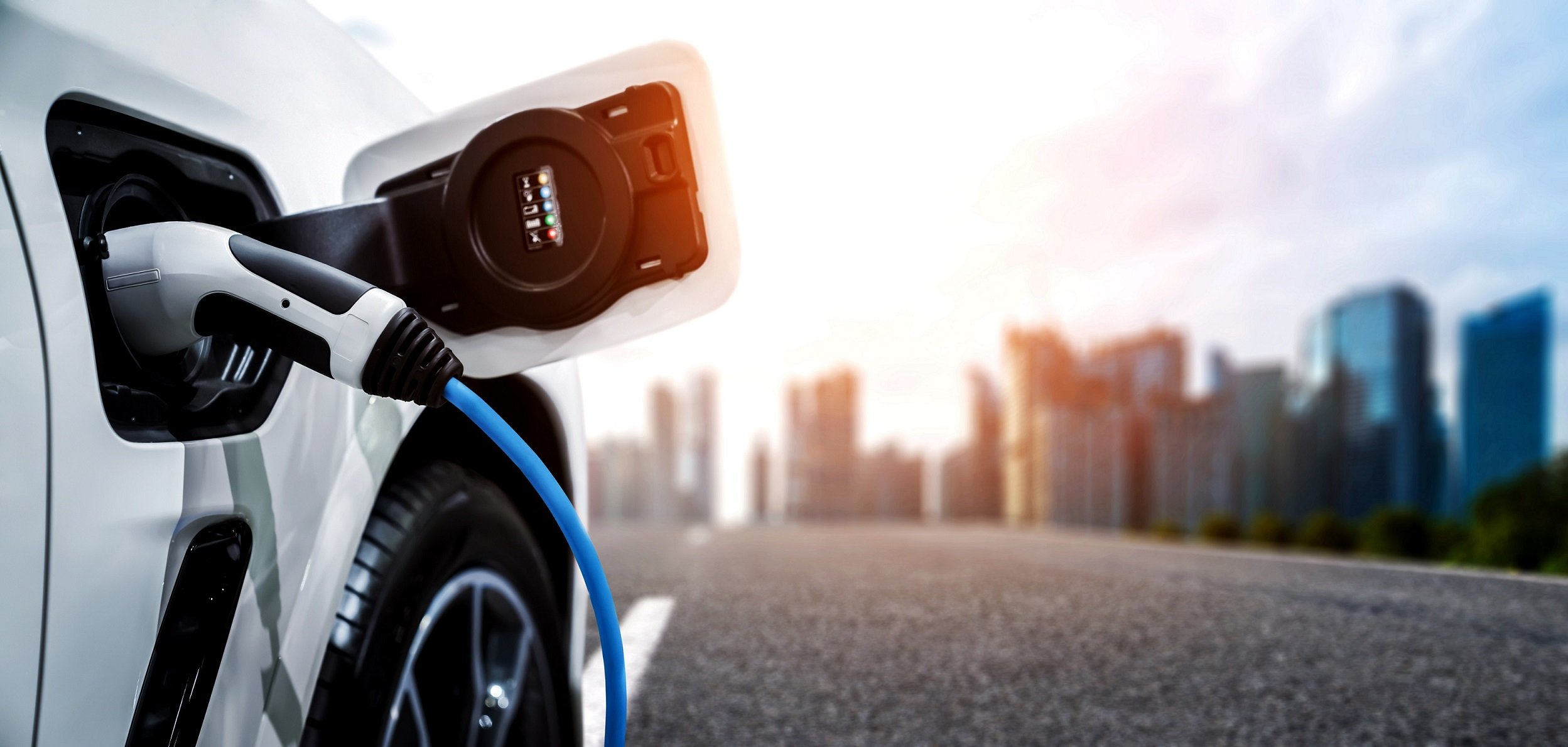
Low energy efficiency is already a major problem for petrol and diesel vehicles. Typically, only 20% of the overall well-to-wheel energy is actually used to power these vehicles. The other 80% is lost through oil extraction, refinement, transport, evaporation, and engine heat. This low energy efficiency is the primary reason why fossil fuel vehicles are emissions-intensive, and relatively expensive to run.

Scientists developed a self-healing material that self-repairs cracks in screens and can potentially even restore damaged functions

The crystalline material makes it possible to store energy for several months, making it ideal for storing excess solar energy in the summer to be used in darker months.

Taking inspiration from a desert-dwelling animal, scientists came up with a power-free passive cooling system capable of cooling things 5x longer than current technology
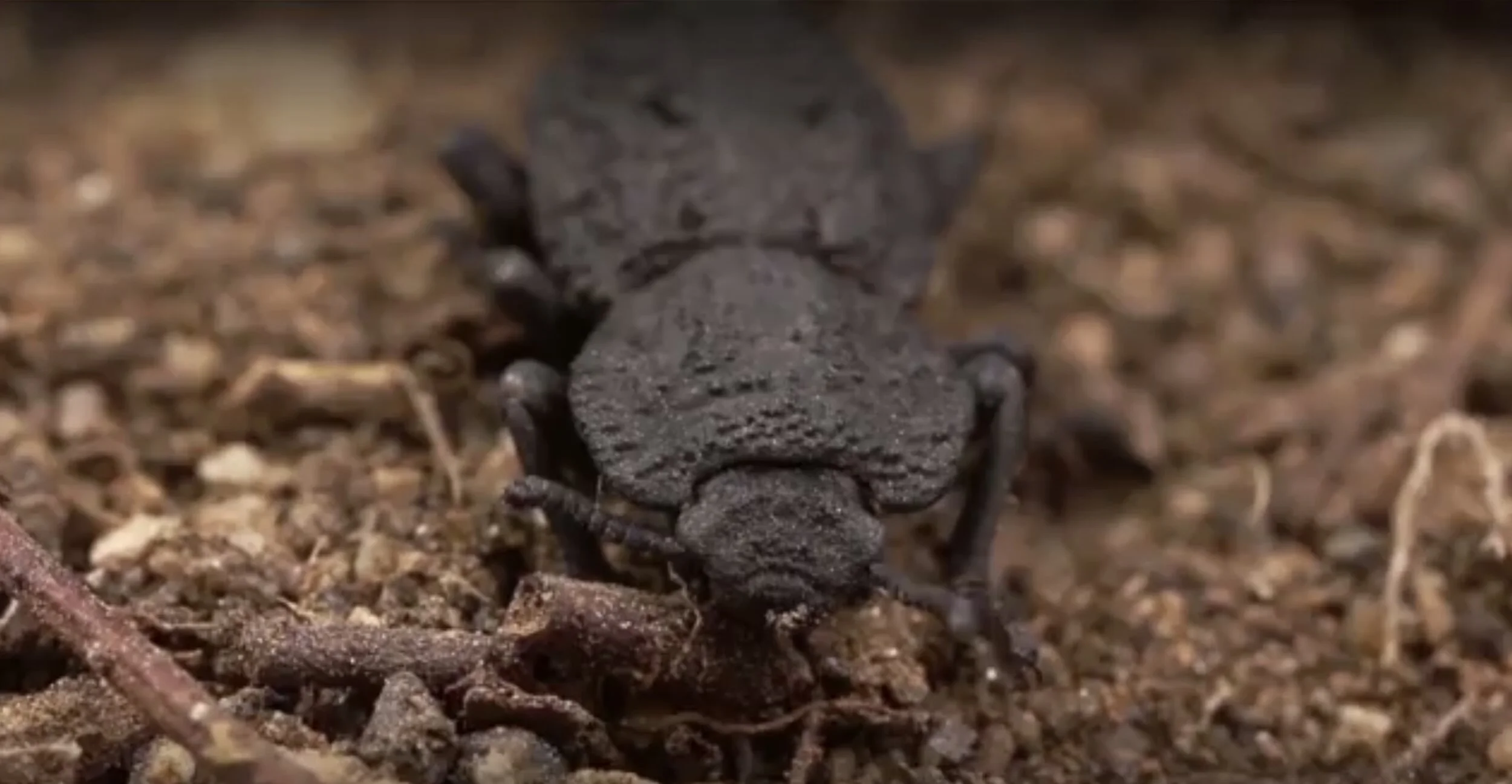
The so-called diabolical ironclad beetle, formally known as Nosoderma Diabolicum, is an incredible little critter that can withstand loads thousands of times larger than its body weight. Scientists are looking into mimicking this feat in new materials.

Dutch scientists hailing from the Delft University of Technology managed to create an astonishingly small atomic sensor capable of registering magnetic waves that consist of merely 11 atoms.

Scientists from various universities were able to set an eye-wateringly fast record of squeezing 44.2 terabits per second of data through an existing fiber optic cable. This new world record was achieved by using a so-called 'micro-comb,' which is capable of firing several laser beams in a bundle.
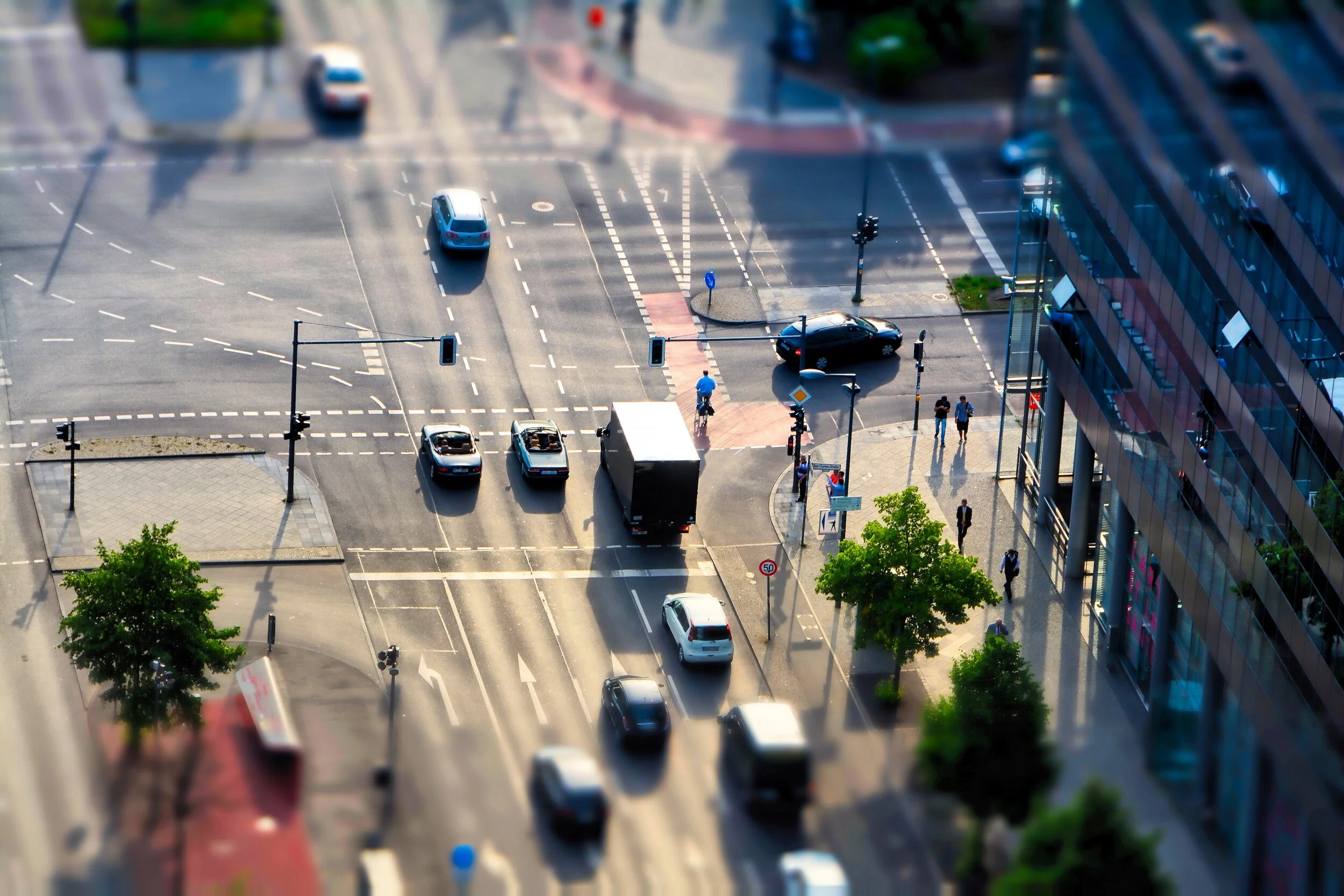
A science team has harnessed the power of deep learning to build a new laser-based system that can image around corners in real-time

Scientists from the Dutch Eindhoven University of Technology (TU/e) developed a tiny plastic robot that can collect and deliver small packages without the use of computer chips or batteries.
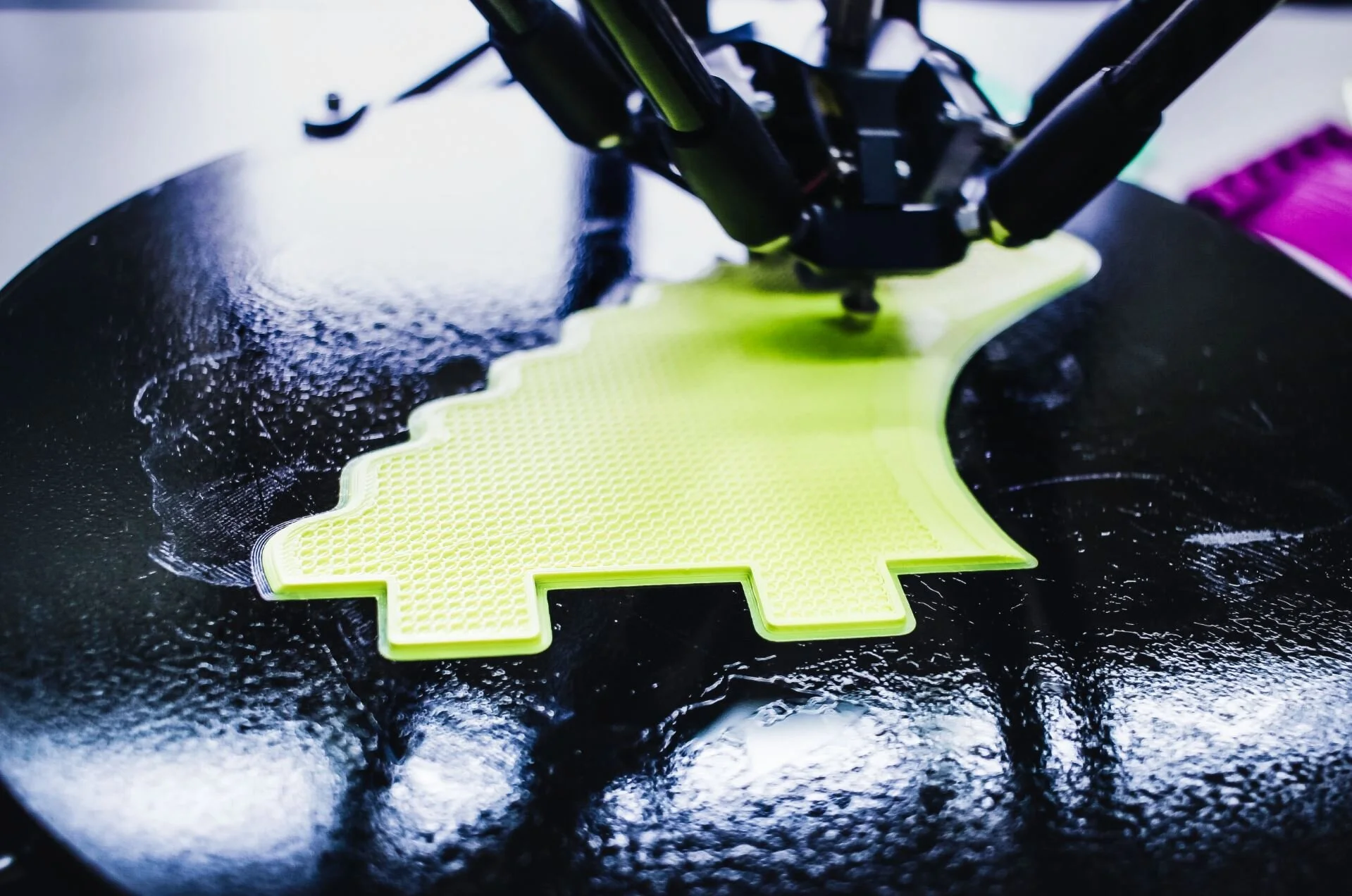
Researchers indicate that it is theoretically feasible to save 215,000 terabytes of data on one gram of DNA
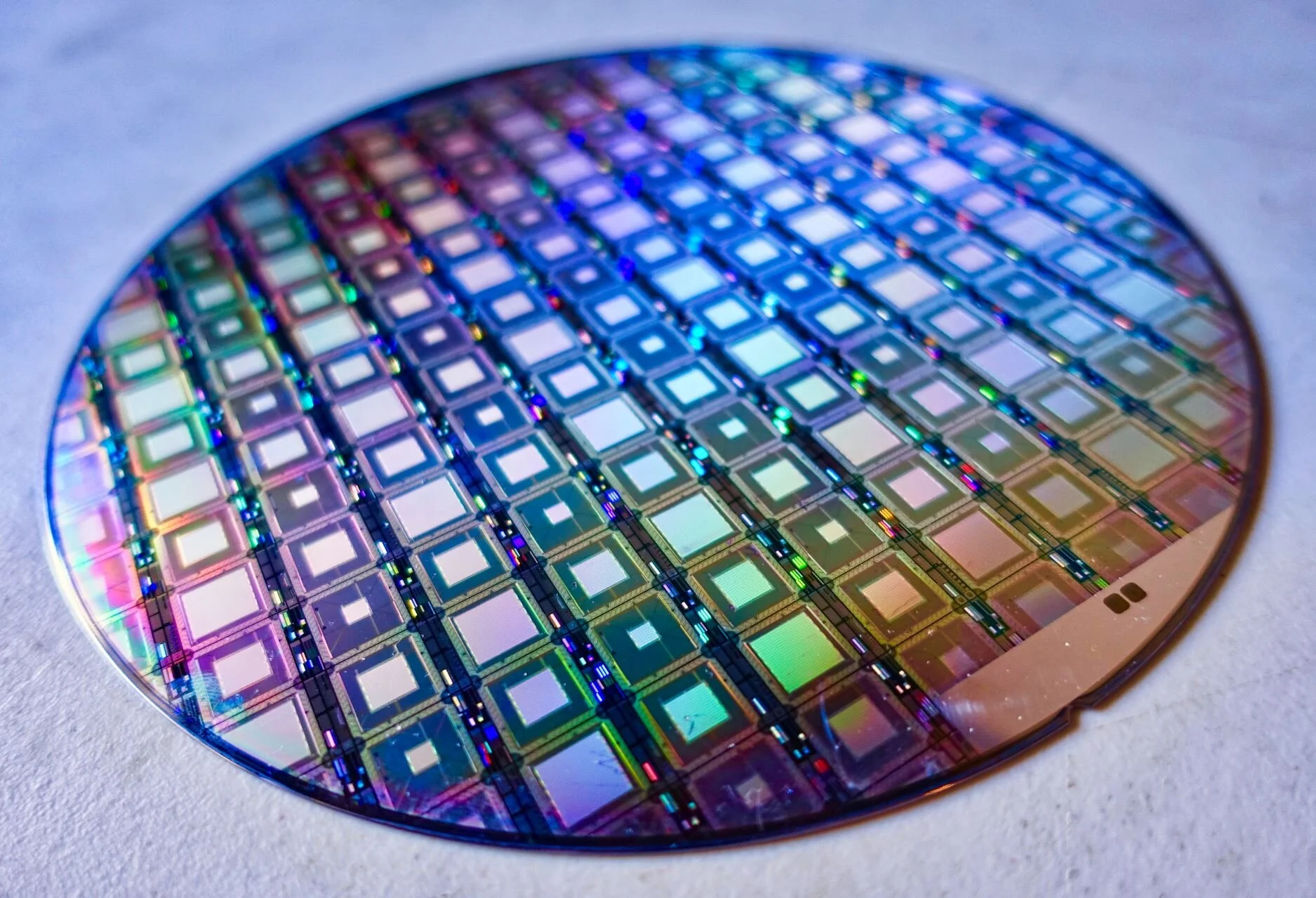
Quantum computing is an amazingly interesting field. Many predict that quantum computers will dominate our future. Nevertheless, there are also some inherent flaws in quantum computer hardware. Subhash Kak predicts that random errors resulting from those flaws might mean that quantum computers will be less useful than we expect them to be..

Competition in the electric SUV segment is heating up. One of the, perhaps, lesser-known competitors in this segment is the Mercedes EQC. Universal-Sci borrowed one from Mercedes Benz Netherlands for a few days and checked to see what it does differently from its competitors
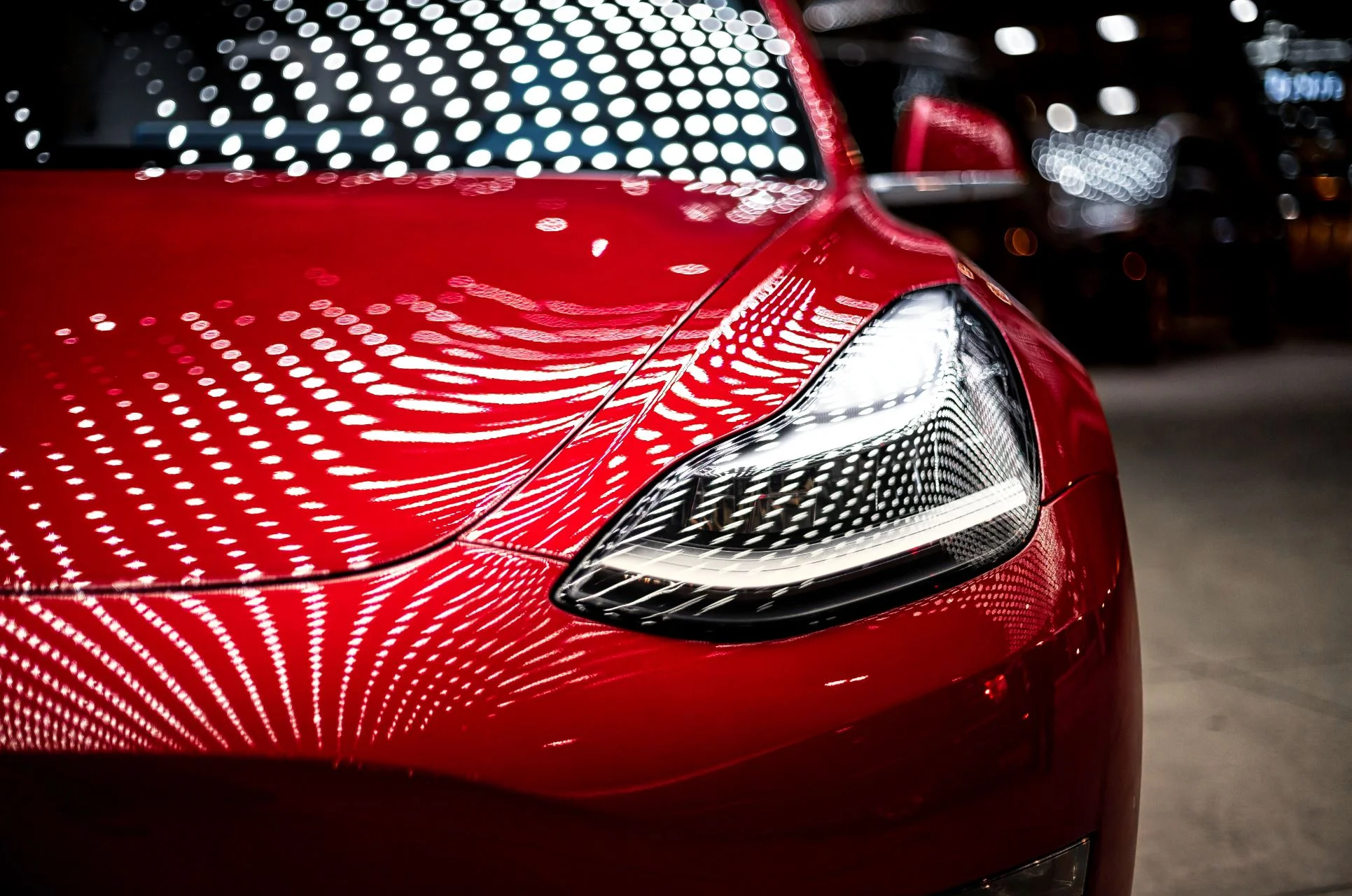
In an effort to minimize potential damage and injuries as a result of inevitable car crashes with automated vehicles, scientists have developed new decision-making and motion-planning system
Samsung is developing pioneering technology that makes it possible to show an aerial image with your smartphone.
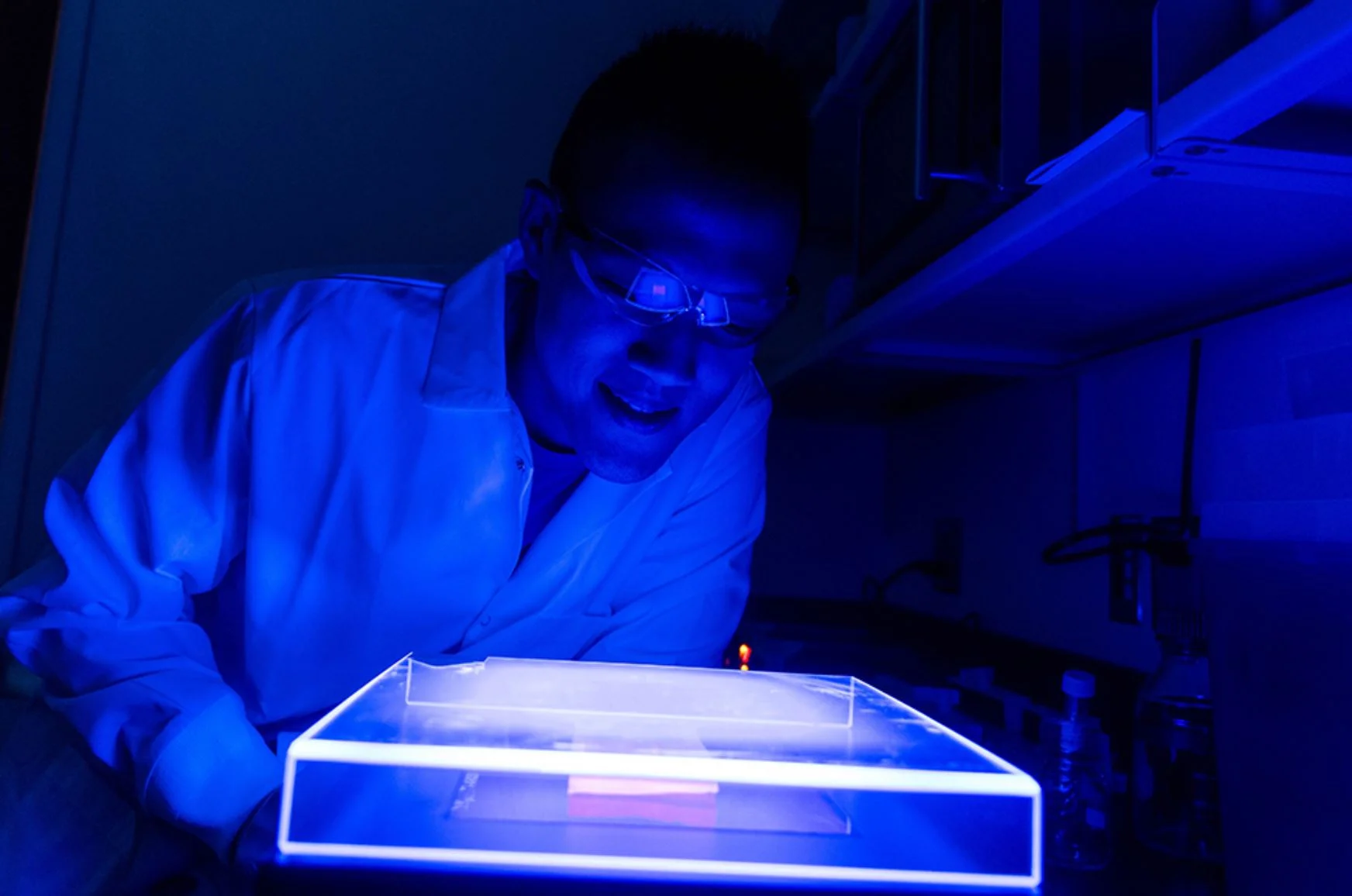
Researchers are able to transform greenhouse gases into useful chemical components using a new biologically-based mechanism.
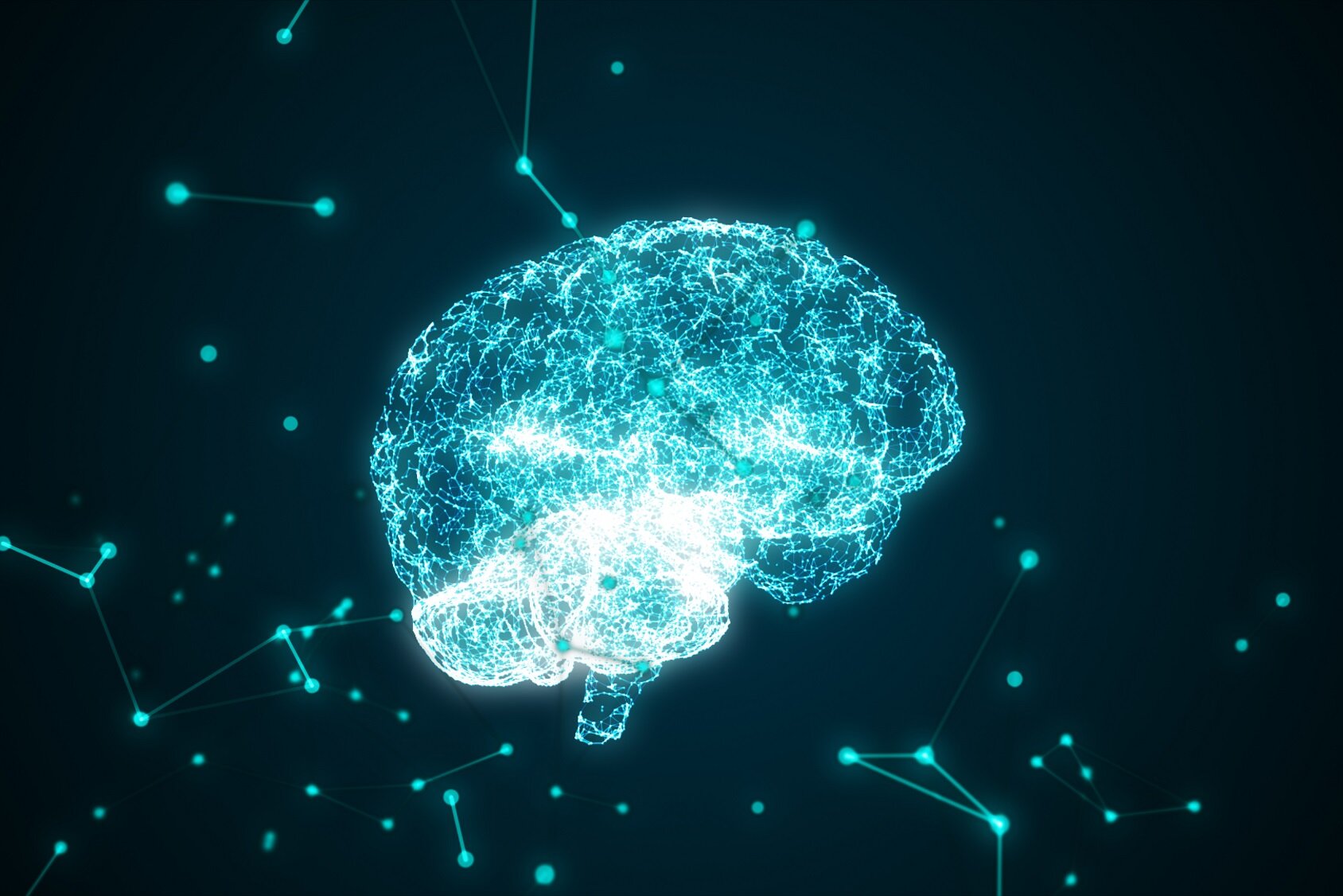
AI can be a mirror for humanity. It teaches us a lot about ourselves and forces us to ask fundamental questions about what humanity is.
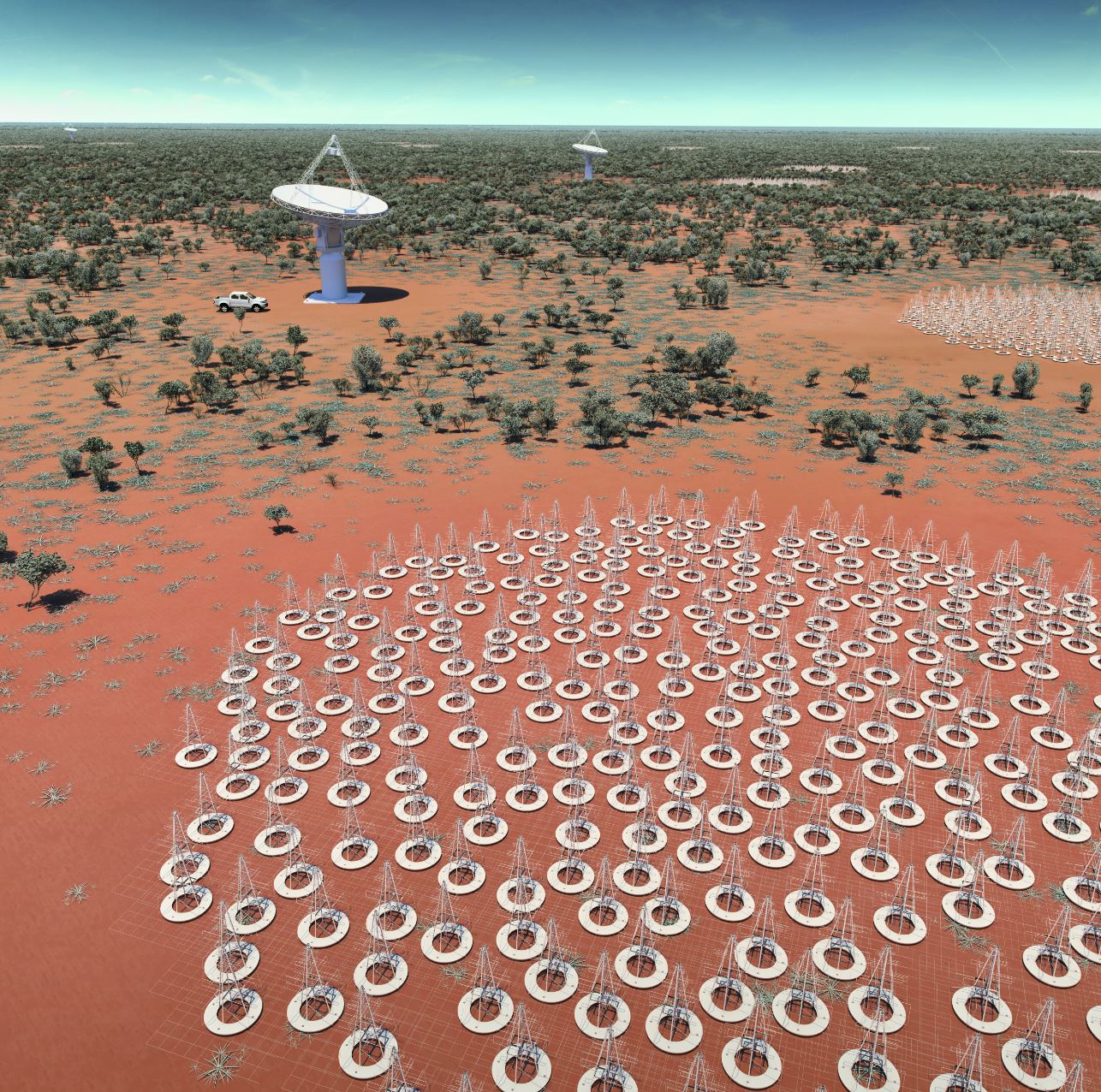
The Dutch parlement has been the first to formally confirm participation in the assembly of the largest radio telescope the world has has ever known. The massive telescope might give us another opportunity to find out if we are alone in the universe!

It is an often heard complaint from smartphone, tablet and laptop users. As your device gets older it seems that you can do less and less on a single charge.
New class of materials could enhance supercapacitors and increase their and make them less flammable. In addition if used to supplement battery systems in EV’s they could provide a power boost
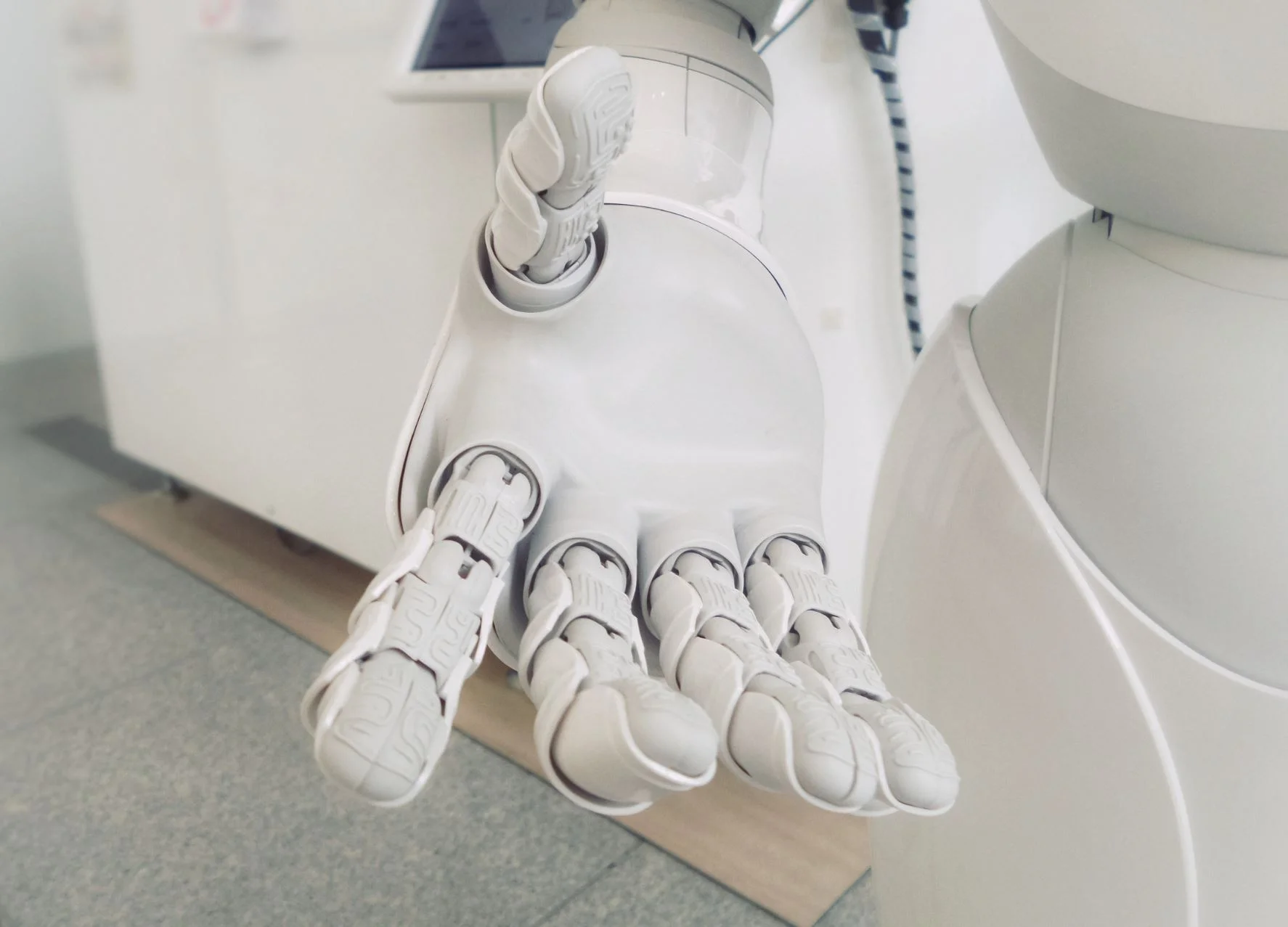
There are many unspoken rules of human interaction, whether that’s whether or not to look them in the eyes, the firmness of the handshake, smiling or words of greeting. Little things like this can lead to big judgments about trustworthiness or social acceptability.
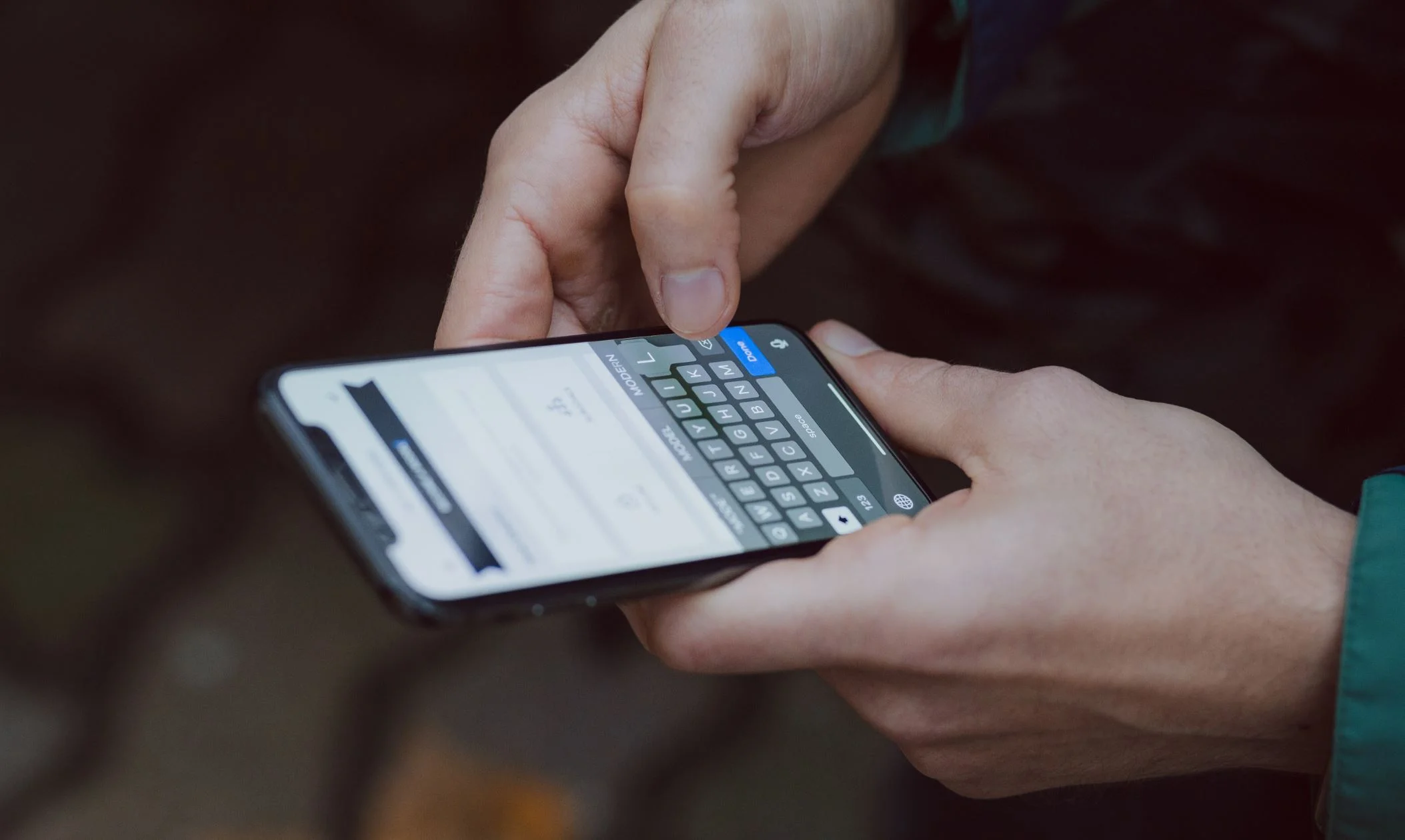
Many people who are old enough to have experienced the first moon landing will vividly remember what it was like watching Neil Armstrong utter his famous quote: “That’s one small step for a man, one giant leap for mankind.”. Half a century later, the event is still one of the top achievements of humankind. Despite the rapid technological advances since then, astronauts haven’t actually been back to the moon since 1972.
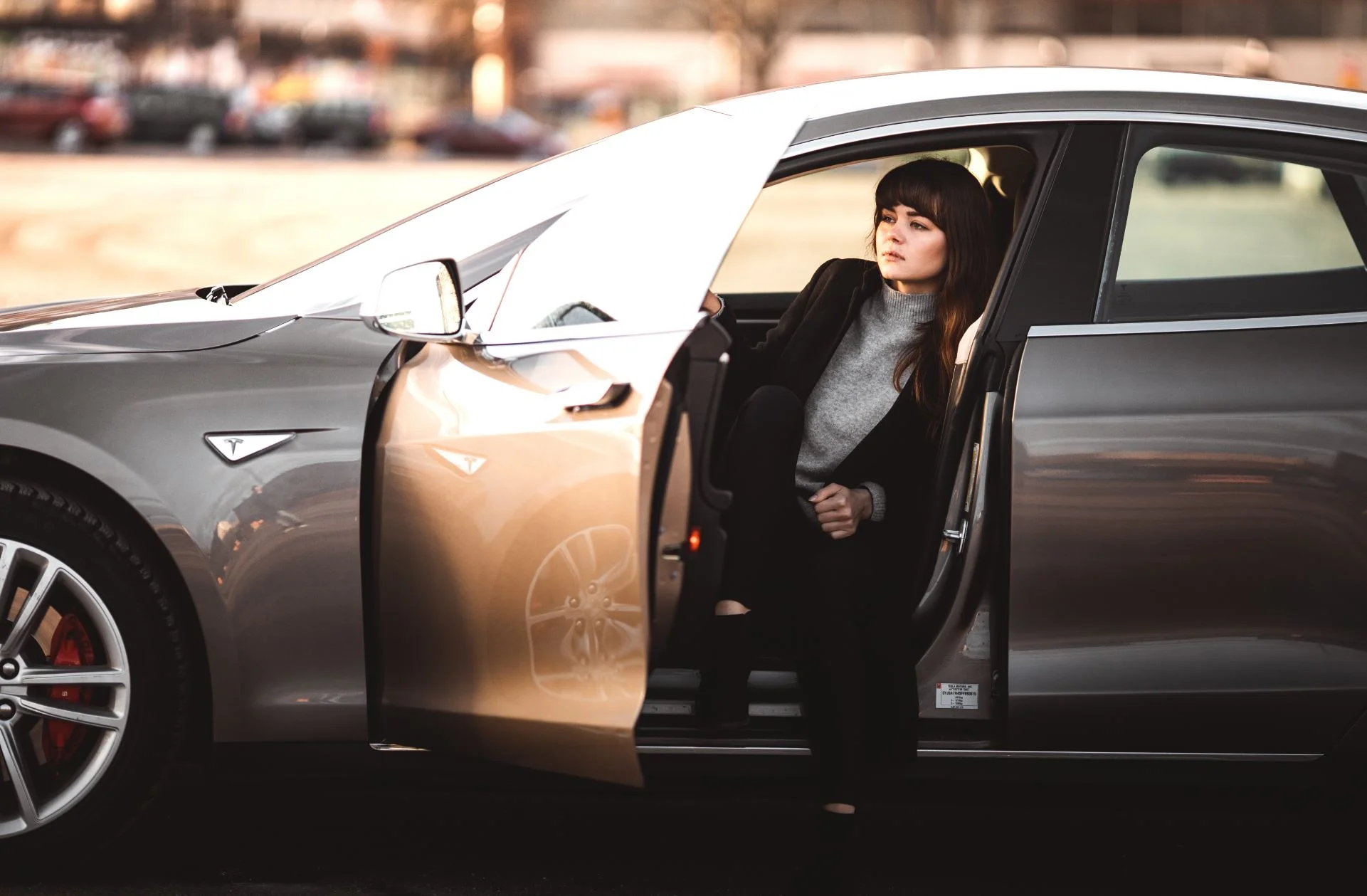
As driverless cars become more capable and more common, they will change people’s travel habits not only around their own communities but across much larger distances. Our research has revealed just how much people’s travel preferences could shift, and found a new potential challenge to the airline industry.

Beyond the cloud - With molecular data storage, cat videos could outlast us all

While the look and feel of our cars has changed in the past 100 years, the way we drive them hasn’t. But fundamental change is coming. In the next decade, not only will the way they’re powered and wired have shifted dramatically, but we won’t be the ones driving them anymore.
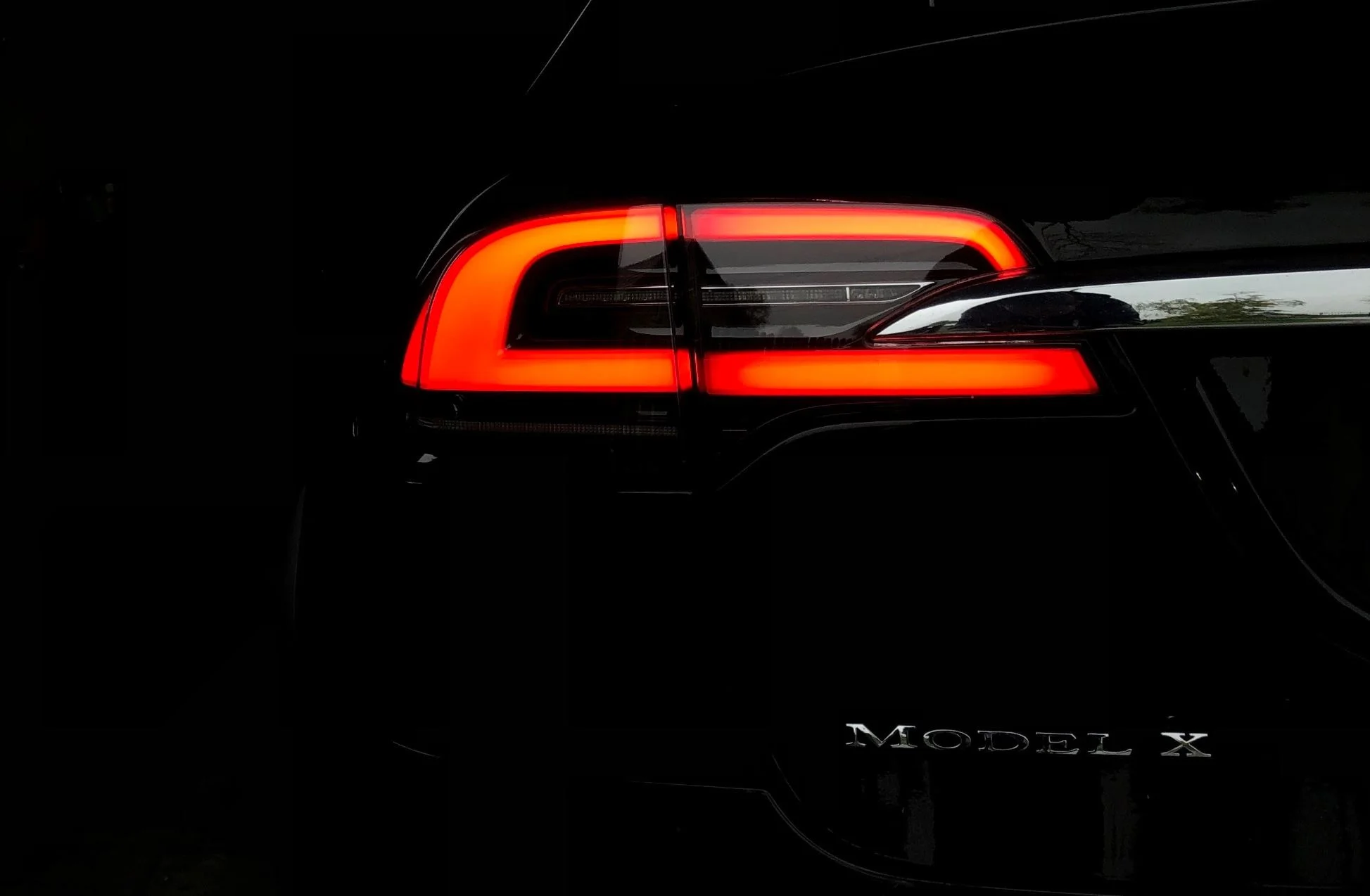
The number of purely electric cars (not counting hybrids or plug-in hybrids) in Europe increased by nearly 85 percent in the first quarter of 2019 compared to a year earlier.

Whenever I visit the Sahara I am struck by how sunny and hot it is and how clear the sky can be. Aside from a few oases there is little vegetation, and most of the world’s largest desert is covered with rocks, sand and sand dunes. The Saharan sun is powerful enough to provide Earth with significant solar energy.
Internal combustion engines and electric motors are very different.
Solar Power Satellites offer a tantalizing possibility an endless supply of clean, green power, available day and night.