With a growing number of Earth-like exoplanets discovered in recent years, it is becoming increasingly frustrating that we can’t visit them. After all, our knowledge of the planets in our own solar system would be pretty limited if it weren’t for the space probes we’d sent to explore them.
With an estimated lifespan of 400 years, the Greenland shark has just been reported to be the longest-lived vertebrate on the planet. This is only the latest of a series of recent findings that push the boundaries of animal longevity, and it raises the perennial question of what factors enable some animals to achieve what we might call extreme longevity – lifespans that can be measured in centuries.
Scientists have long tried to explain the origin of a mysterious, large and anomalously cold region of the sky. In 2015, they came close to figuring it out as a study showed it to be a “supervoid” in which the density of galaxies is much lower than it is in the rest of the universe. However, other studies haven’t managed to replicate the result.
With a growing number of Earth-like exoplanets discovered in recent years, it is becoming increasingly frustrating that we can’t visit them. After all, our knowledge of the planets in our own solar system would be pretty limited if it weren’t for the space probes we’d sent to explore them.
Most scientists agree that the Earth has pretty much always had its moon. Details of the moon’s composition (in particular the “isotopic mixture” of heavier and lighter versions of various elements) are too similar to the Earth’s for it to have been captured from somewhere remote. However, some compositional details differ enough to rule out the idea that the moon is simply a chunk of the Earth that broke loose.
The long, shallow grooves lining the surface of Phobos are likely early signs of the structural failure that will ultimately destroy this moon of Mars.
Scientists have long tried to explain the origin of a mysterious, large and anomalously cold region of the sky. In 2015, they came close to figuring it out as a study showed it to be a “supervoid” in which the density of galaxies is much lower than it is in the rest of the universe. However, other studies haven’t managed to replicate the result.
In the past few decades, there has been an explosion in the number of extra-solar planets that have been discovered. As of April 1st, 2018, a total of 3,758 exoplanets have been confirmed in 2,808 systems, with 627 systems having more than one planet. In addition to expanding our knowledge of the Universe, the purpose of this search has been to find evidence of life beyond our Solar System.
Our own galaxy, the Milky Way, is dotted with fascinating star-forming regions. Some galaxies can produce hundreds of new stars in a single year, and individual galaxies can contain many billions of stars. But why is it that some galaxies stop making new stars?
Astronomers have made the most precise measurement to date of the rate at which the universe is expanding. But there’s also some unsettling news: The new number remains at odds with independent measurements of the early universe’s expansion, which could mean that there is something unknown about the makeup of the universe.
Popular science fiction of the early 20th century depicted Venus as some kind of wonderland of pleasantly warm temperatures, forests, swamps and even dinosaurs. In 1950, the Hayden Planetarium at the American Natural History Museum were soliciting reservations for the first space tourism mission, well before the modern era of Blue Origins, SpaceX and Virgin Galactic. All you had to do was supply your address and tick the box for your preferred destination, which included Venus.
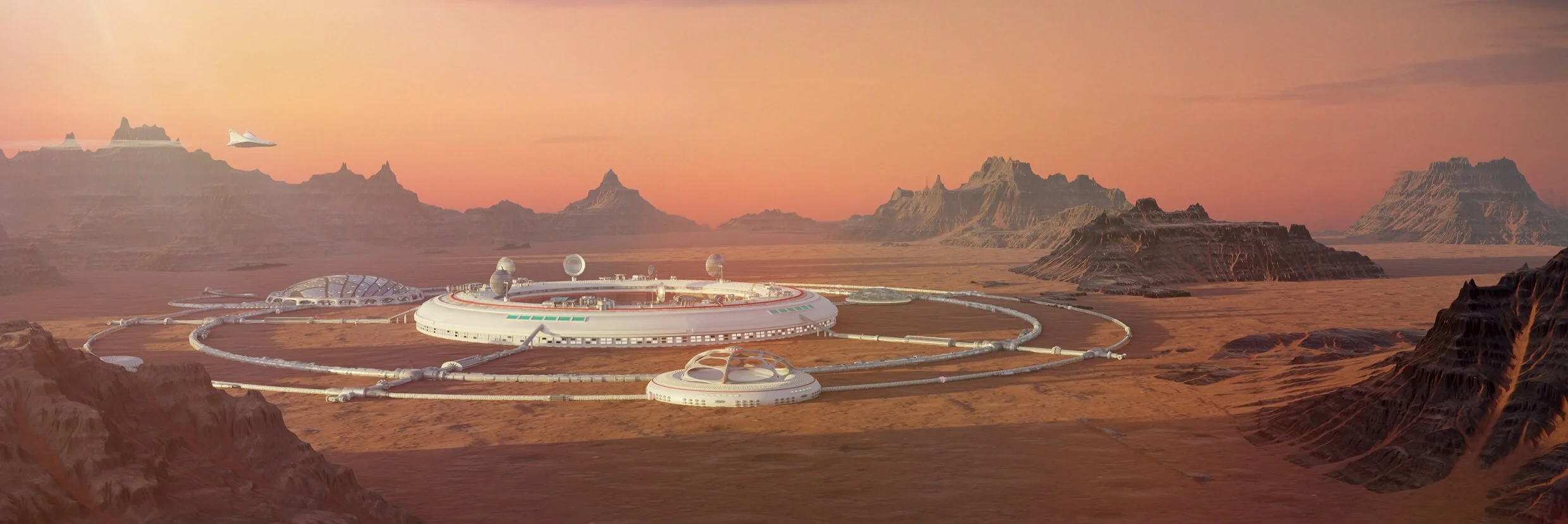
If we aim for a sustainable colony of Mars, we will need to learn how to 'live off the land.' One key component is the quandary regarding oxygen production. Researchers may have found a way to reliably produce oxygen in an energy-efficient manner.
Imagine an unbound world, traveling the galaxy in darkness.. The Milky Way may contain billions to even trillions of them, yet we know very little about these mysterious planets.
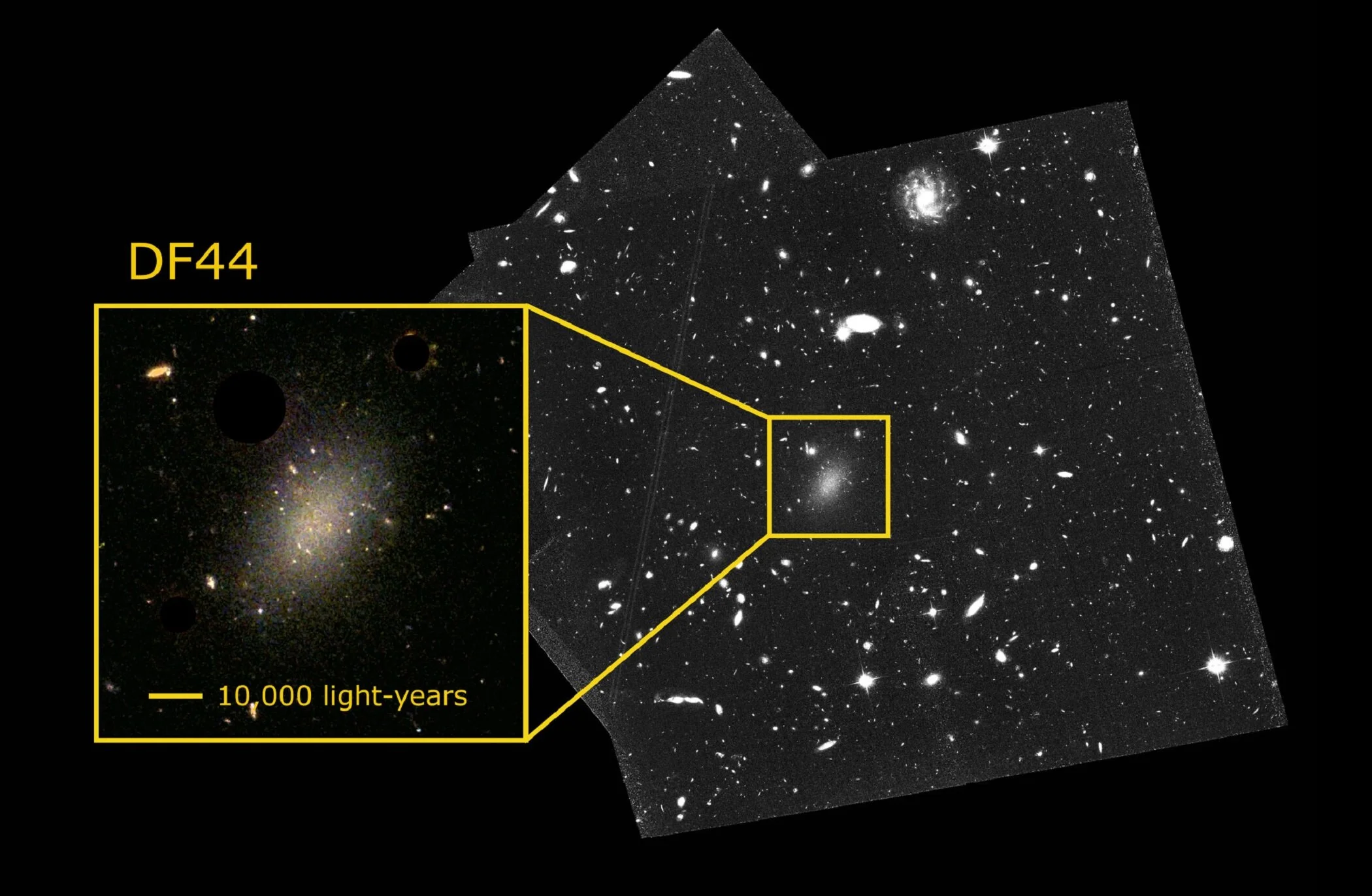
After re-analyzing existing Hubble data, astronomers have determined that the extremely faint galaxy Dragonfly 44 has far fewer star clusters in its surrounding dark matter halo than reported previously
The Event Horizon Telescope (EHT) team that published the first-ever image of a black hole last year has now used its newly gained knowledge to analyze archival data
Earth may no longer be the sole planet in the solar system where life occurs. An international team of scientists uncovered substantial evidence of microbial life in the clouds of Venus in the form of an uncommon molecule known as phosphine.
Astronomers theorize that the future Nancy Grace Roman Space Telescope mission will uncover more planets wandering our Milky Way galaxy without a home star than actual stars.
Up until now, astronomers have mainly looked at fairly mature protoplanetary disks around young stars that are 1 to 3 million years old, it turns out that planet formation starts much earlier.
Science fiction truly turned into reality in October 1957 when Sputnik was launched – humankind’s first step beyond the Earth. Since then, progress has been rapid. A significant number of men and women have now travelled to space to explore it and do research.